
Planning for closure across the territory
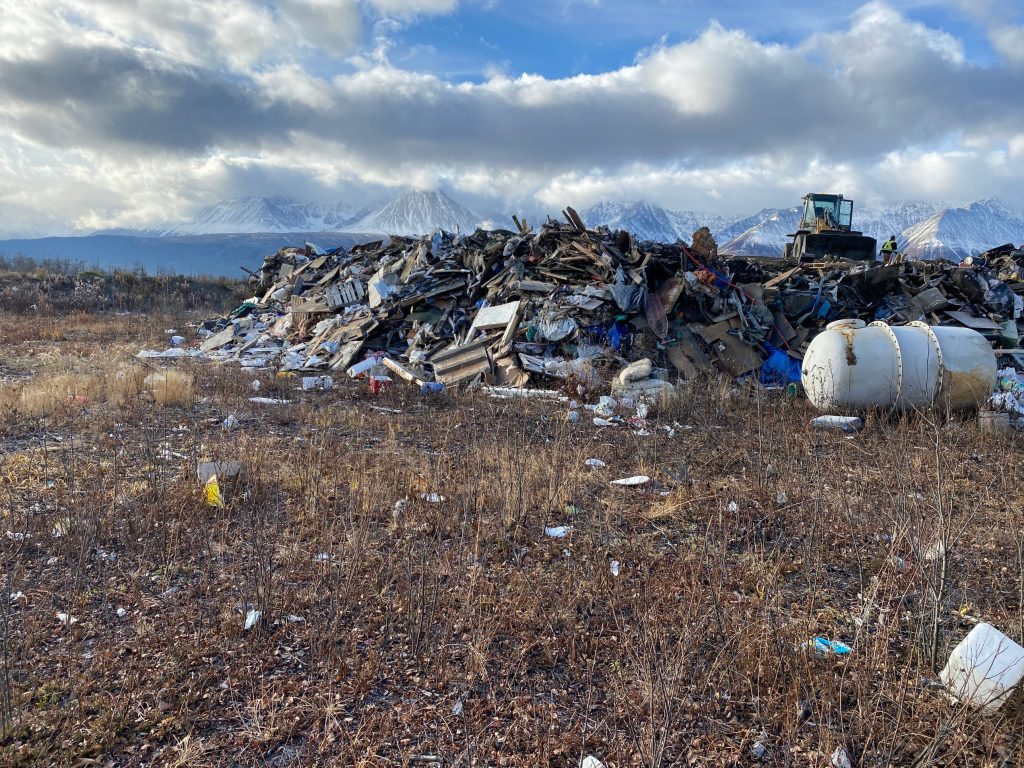
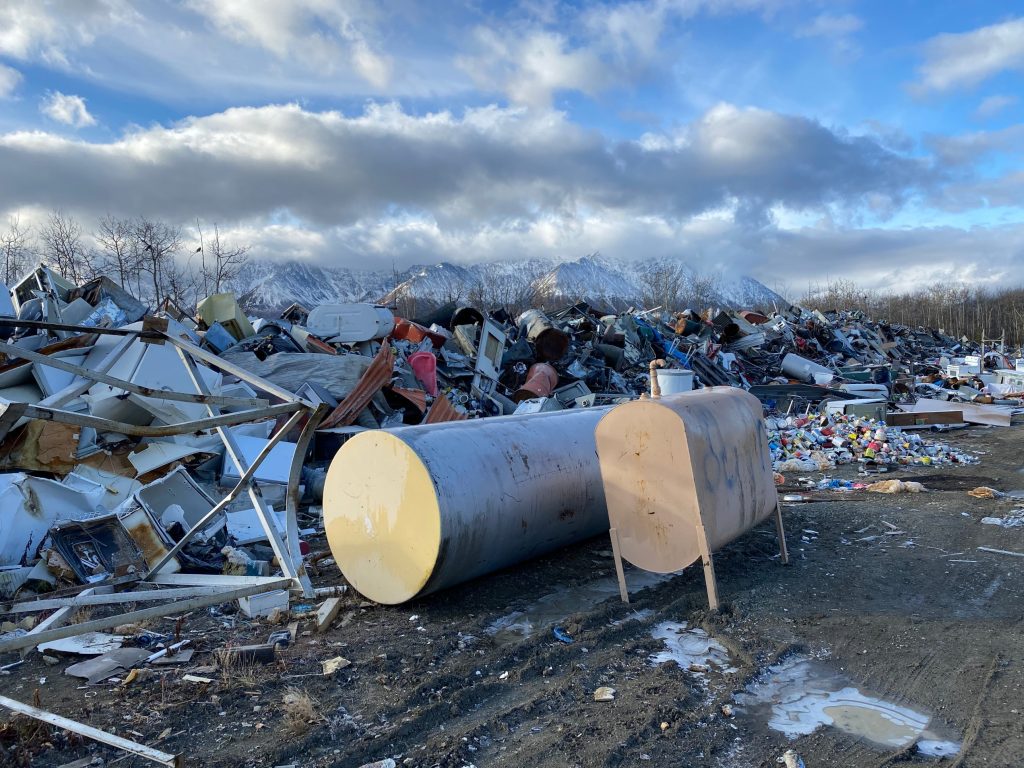
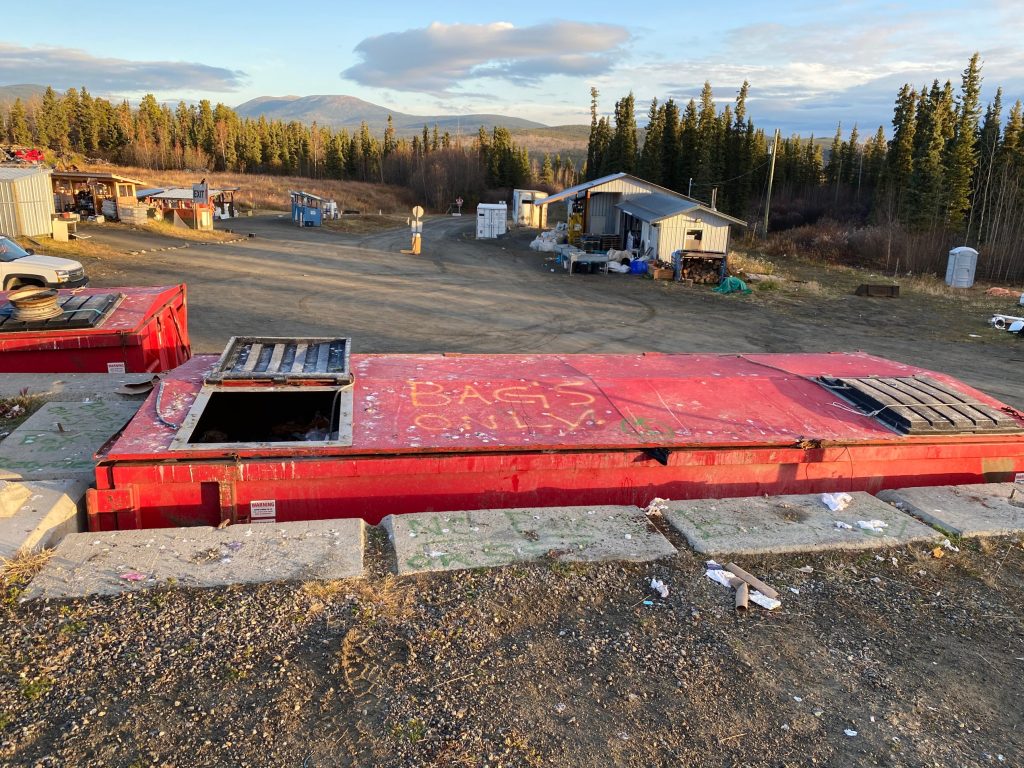
Yukon’s smaller municipalities operate their own landfills, often with limited survey data and no clear picture of how much capacity remains or what closure will eventually cost. The Association of Yukon Communities needed a consistent, defensible estimate of closure and post-closure liability for each municipally operated site, so that communities could budget for it now rather than face a large bill later.
One road trip, seven site-specific models
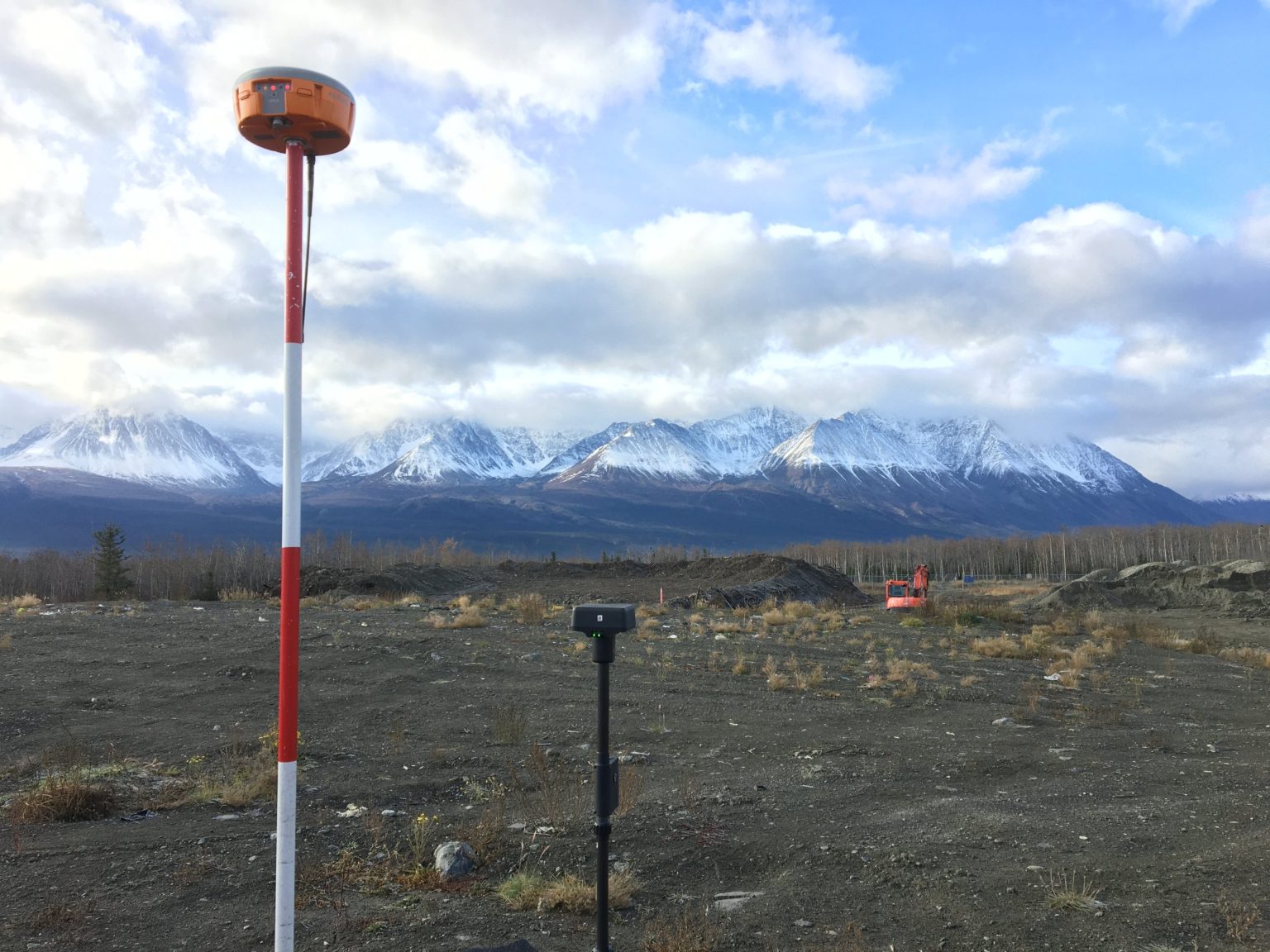
- Drone surveys of every site. In eight days in October 2020, our team drove a loop through Haines Junction, Carmacks, Mayo, Dawson City, Faro, Watson Lake and Teslin, capturing 3D orthophotos and topography at each landfill. Site walk-throughs and meetings with local operators filled in how each facility actually runs.
- Accurate base maps. Each survey became a base map with 1 m contours, used to measure the airspace already consumed, including waste placed in trenches and kettle holes.
- Waste projections. Population trends, including rural residents who use municipal sites, were combined with per-capita generation rates and compaction densities suited to small-site equipment.
- Final contours and closure design. We designed final landforms with 3H:1V side slopes and appropriate setbacks, identified local cover-soil sources, and compared clay and geomembrane closure options.
- Environmental review. We assessed leachate conditions, including permafrost effects, mapped existing groundwater and surface-water monitoring, and recommended operating and post-closure monitoring programs that scale back over time.
- Economic model. Operating, capital, closure and post-closure costs were rolled into an annual model for each community, with a progressive-closure schedule and an annual sinking-fund contribution.
Longer runways, and a plan to pay for them
Each community received its own report. Most sites turned out to have far more remaining capacity than expected, with projected lifespans from about 60 years to beyond 2200 under good filling practice. Rather than an urgent expansion problem, communities now have a funding problem they can manage: phased progressive closure roughly every two to three decades, paid for through a predictable annual contribution. The reports also gave each site practical operating recommendations, such as tighter cover practices, slope corrections to reduce fire risk, and annual surveys to track fill rates.
Do you know what your landfill closure will cost?
SHA can survey your site, project its remaining life, and build a closure fund plan your council can budget around.
Talk to an EngineerSee More Projects